Start Here
Get bat removal help today
Tell us what you are noticing in the attic, around the roofline, or inside the living space. We will help you understand the right next step for removal, cleanup, sealing, and inspection.
Services
If bats have been using your attic, the space can be left with droppings, odor, staining, and damaged insulation that should not be ignored. The cleanup process matters because it affects air quality, the condition of the attic, and how ready the property is for the next step after removal.
Summit Ridge Bat Removal and Attic Restoration helps homeowners in Asheville, NC handle attic cleanup with careful work and clear communication. We look at the full condition of the attic, remove contaminated debris, address guano, and restore the space so the property is easier to use and maintain.
Attic cleanup becomes important when bats have been roosting above the living space or when signs of past wildlife activity are still present. Even after the bats are no longer inside, the attic may hold contamination that continues to create concerns for the home.
This service is often needed after bat removal and bat exclusion work, especially when droppings, nesting material, odor, or visible staining are present. A careful cleanup also helps make follow-up inspection easier, since the remaining condition of the attic can be seen more clearly.
Attic cleanup is more than a quick sweep. The work needs to fit the condition of the space and the amount of contamination present. In many homes, that means removing waste materials, addressing affected insulation, and cleaning surfaces so the attic is left in a better condition than before.
At Summit Ridge Bat Removal and Attic Restoration, we focus on practical steps that match the property. That can include guano removal, debris collection, cleanup of affected areas, and attic restoration work that helps prepare the space for continued use or follow-up inspection.
Every attic has a different layout, amount of buildup, and level of access. A small amount of guano in one area is not the same as widespread contamination across insulation and framing. The approach should match what is actually there, not a one-size-fits-all process.
We start by understanding the condition of the attic and how bat activity affected the space. From there, we choose the right cleanup path and keep you informed about what is being removed, what should stay, and what the attic may need next.
Guano removal is a key part of attic cleanup because bat droppings can build up over time and contaminate the space far beyond the obvious pile. Cleanup should remove the source material and the affected debris around it, not just the surface layer.
When guano is left behind, odor and staining can linger, and the attic can remain unpleasant or difficult to maintain. Careful removal helps reduce that burden and gives the homeowner a better sense of what condition the attic is truly in.
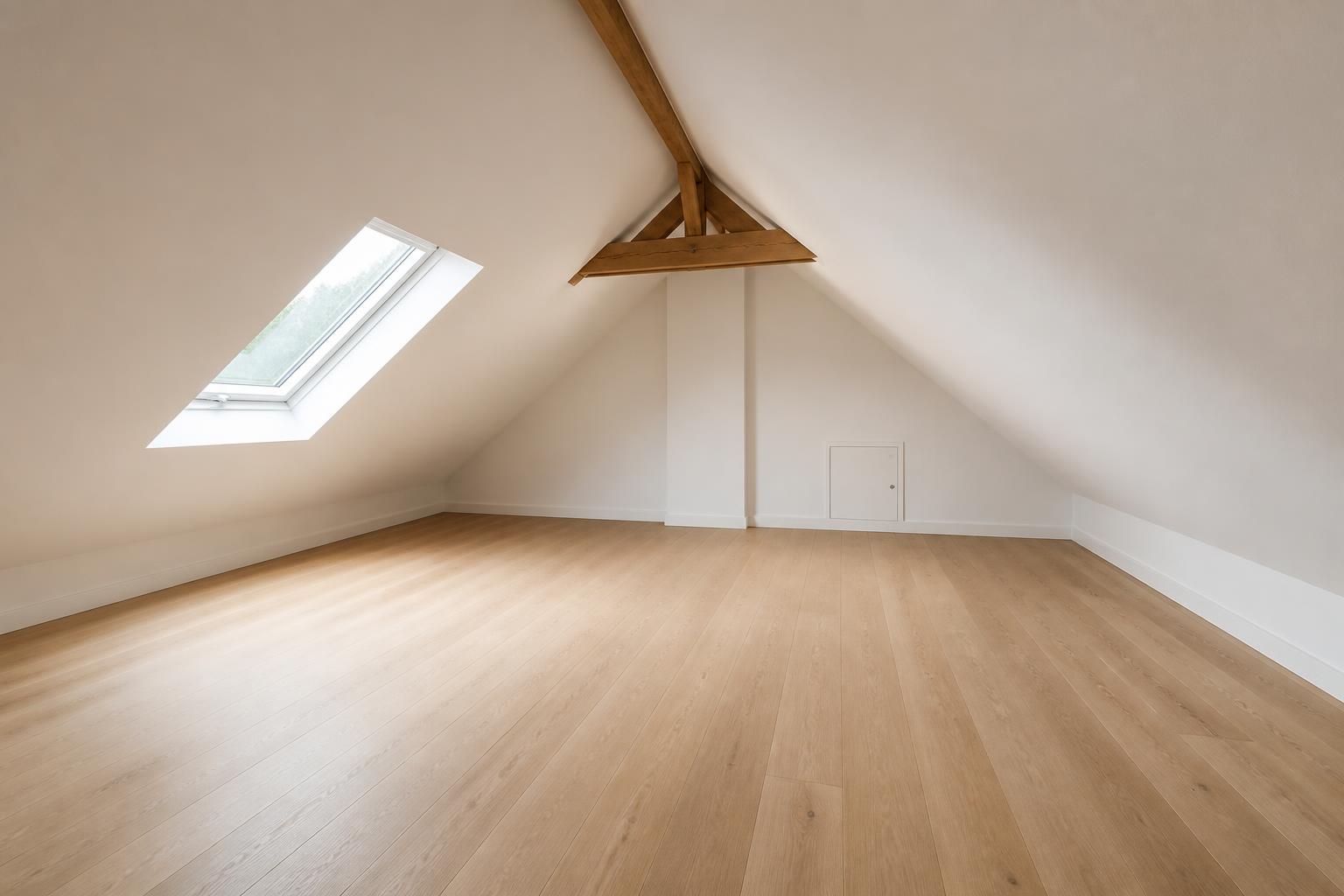
Some attics need more than removal. If insulation has been soiled, compressed, or damaged, attic restoration may be part of the next step. That helps the attic return to a cleaner, more usable condition and reduces the chance that old contamination continues to affect the home.
We can also help coordinate entry point sealing when the cleanup follows bat removal. This is important because a cleaned attic should not be left open to the same problem again. Restoration and exclusion work should support each other.
Before attic cleanup starts, we want to understand the history of the problem, the signs you have noticed, and whether bat removal or exclusion has already been completed. That helps us plan the cleanup so it supports the rest of the work instead of repeating it later.
If the attic still has active bat activity, we can discuss the proper order of service. In many cases, a wildlife inspection comes first, followed by removal, exclusion, and then attic cleanup. That sequence helps protect the home and keeps the project organized.
Homeowners in Asheville, NC often need attic cleanup after bat colonies have been addressed and the space still needs attention. Summit Ridge Bat Removal and Attic Restoration works with properties that need careful cleanup, guano removal, and practical restoration that fits the condition of the attic.
We also serve nearby communities including Hendersonville, Black Mountain, Weaverville, Arden, Candler, Brevard, and Waynesville. If your attic has been affected by bats, we can help you understand the condition of the space and plan the next step with clear communication.
After the attic is cleaned, the goal is to leave you with a space that is easier to manage and better protected from the same issue returning. That means clear communication about what was removed, what remains, and whether any sealing or follow-up inspection should happen next.
If you need attic cleanup in Asheville, NC, we are ready to help you move from a contaminated attic to a cleaner, more manageable one. Call during our regular hours, Monday through Friday from 7:00 AM to 6:00 PM, Saturday from 8:00 AM to 4:00 PM, and we will talk through the next step.
Start Here
Tell us what you are noticing in the attic, around the roofline, or inside the living space. We will help you understand the right next step for removal, cleanup, sealing, and inspection.